
Woodworm Treatment
Safe & Effective Solutions For Timber Pests
Woodworm is not actually a worm - it is the wood-eating larvae of any of many species of beetle and some wasps.
It is also a generic description given to the infestation of a wooden item (normally part of a dwelling or the furniture in it) by these larvae.
How to tell if you have woodworm
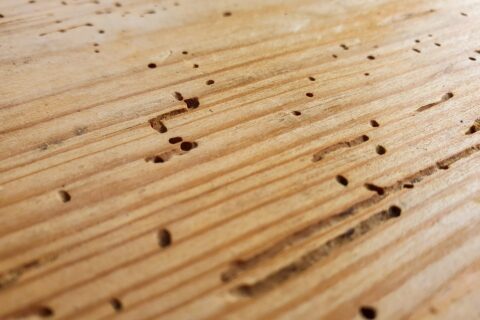
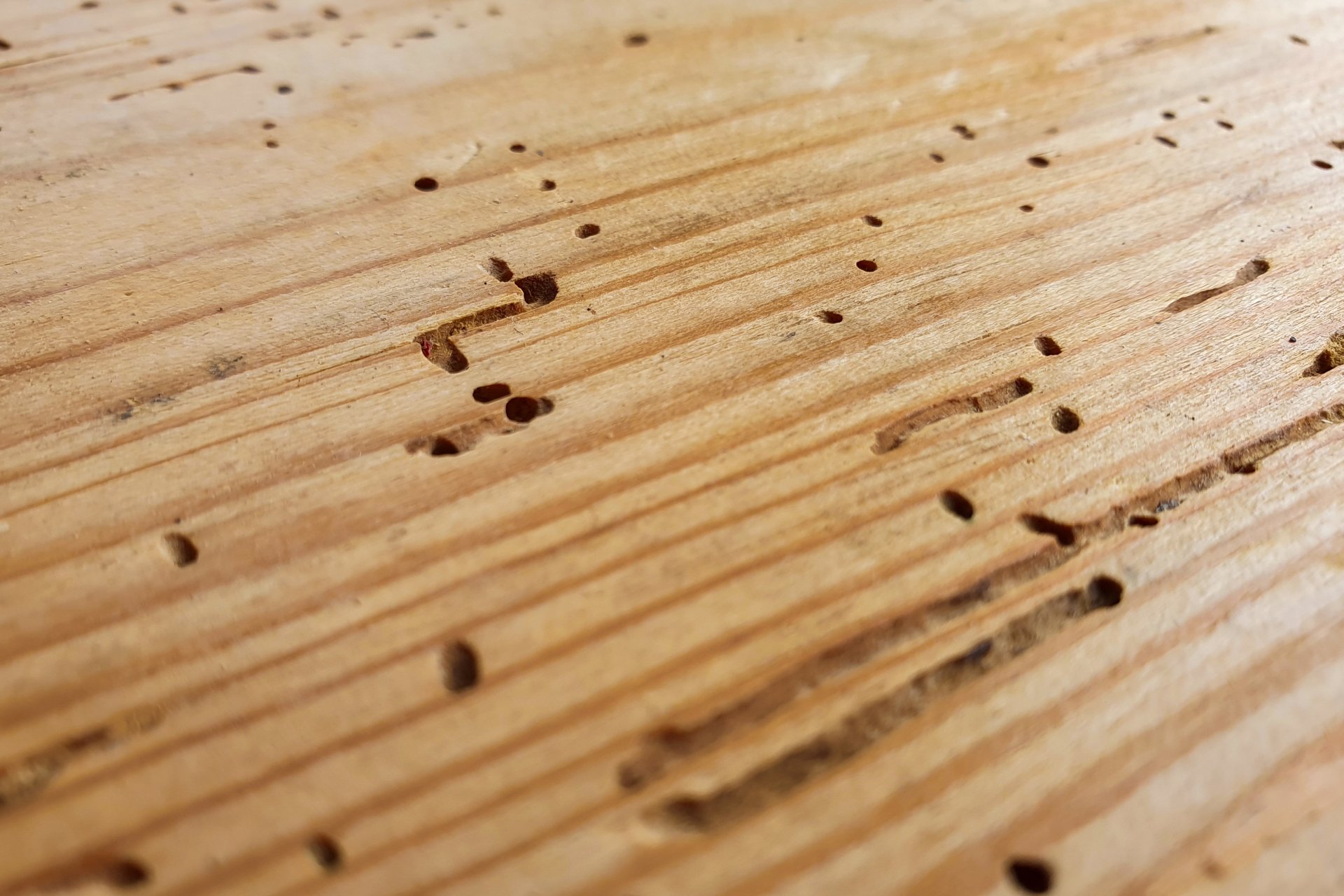
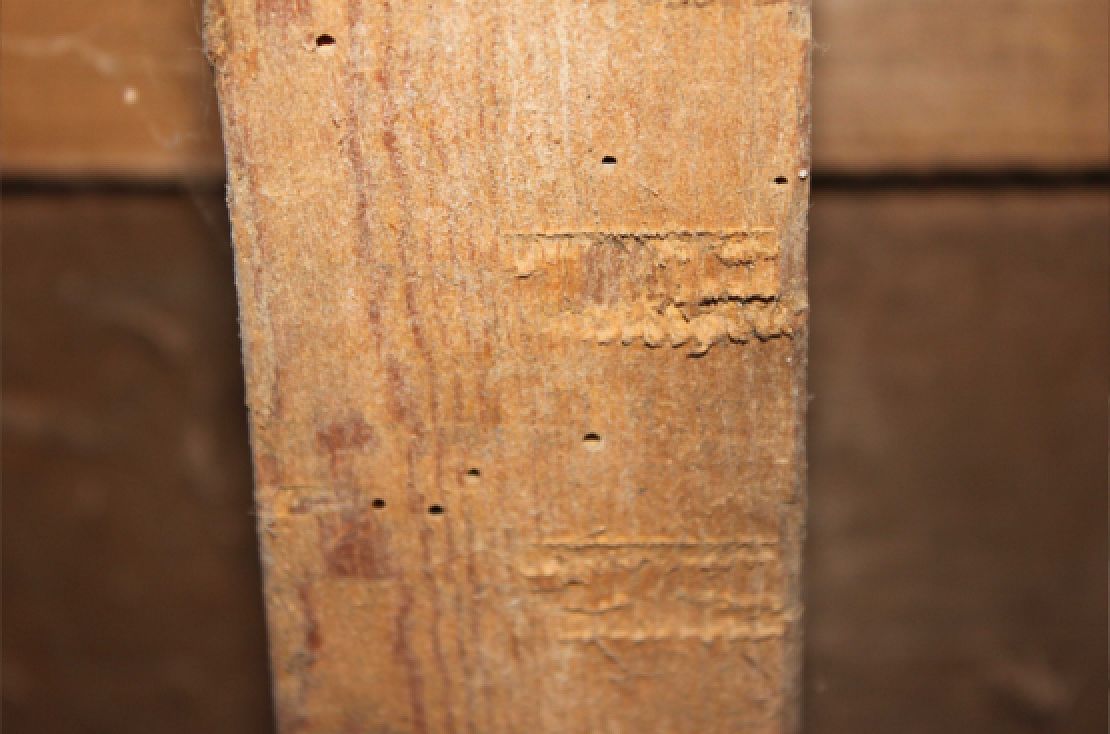
Signs of woodworm usually consist of holes in the wooden item, with live infestations showing a powder called 'frass' around the holes.
The size of the holes varies, but they are typically 1mm to 1.5mm in diameter for the most common household species. Adult beetles may also be seen emerging from the wood in summer months.
How can we help?
If you decide to get a professional woodworm treatment carried out, we can survey your property, identify the cause of the infestation and provide a long-lasting treatment.
- Non-toxic borax-based treatments
- No-obligation survey to identify species
- 25 year guarantee on treatments
- Insects, damp & rot identified
Common Types of Woodworm & Wood Pest
Correct pest identification is important for the woodworm treating procedure.
Here are the most common timber-damaging pests found in the UK:
Ambrosia Beetle
Xyleborus crassiusculus (Motchulsky)
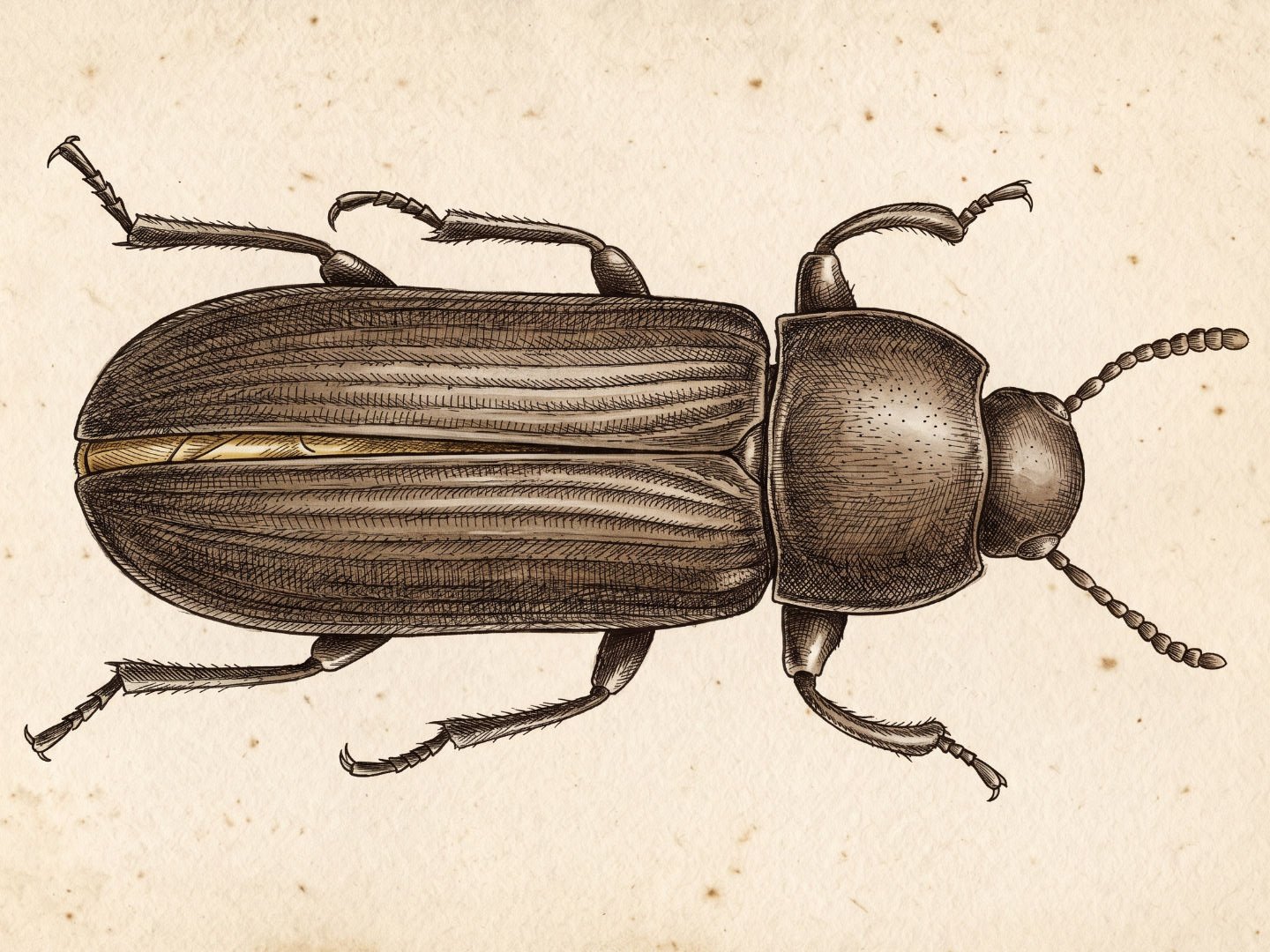
Mainly found in woodland, this particular beetle loves both soft and hardwood, with a nasty habit of making slightly bigger holes than other beetles.
The Ambrosia Beetle is often found in newly fallen trees and can cause extensive damage in construction-ready timber if left unchecked.
This particular beetle holds a shiny dark brown colour and tucked wings behind its back.
Unlike other they don’t produce a lot of frass that is visible to the naked eye.
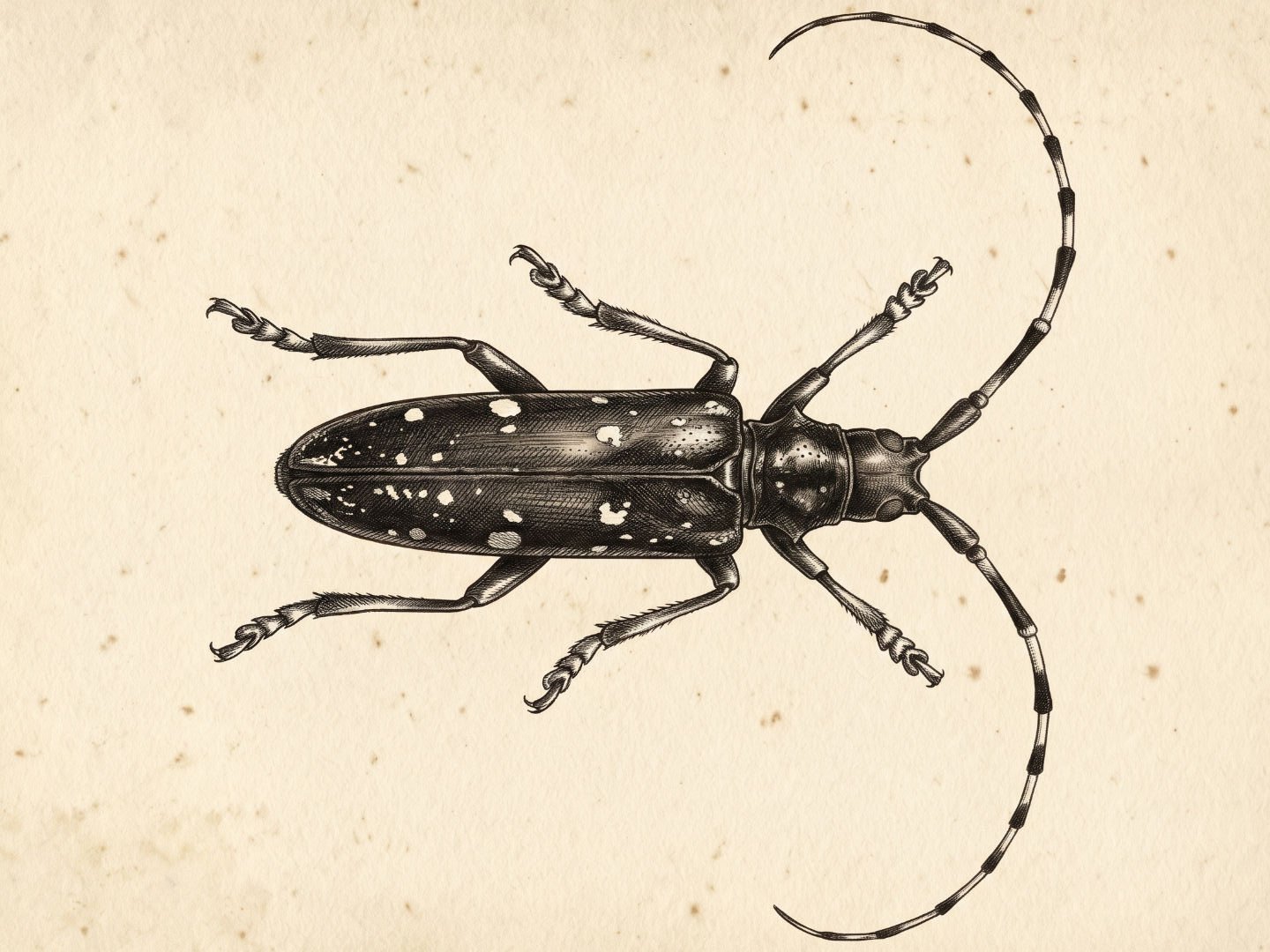
Asian Long Horned Beetle
Anoplophora glabripennis
This is a very distinctive beetle with its black colouring and white spots.
The Asian Long Horned Beetle is a very large woodworm species that came over to the UK from Japan, China and Korea. It is not a beetle to be missed or taken lightly.
They are extremely fond of hardwoods such as willow, maple and oak, and are known for flying long distances in search of a new host property.
Although often confined to woodland the damage that they cause in residential homes is extensive.
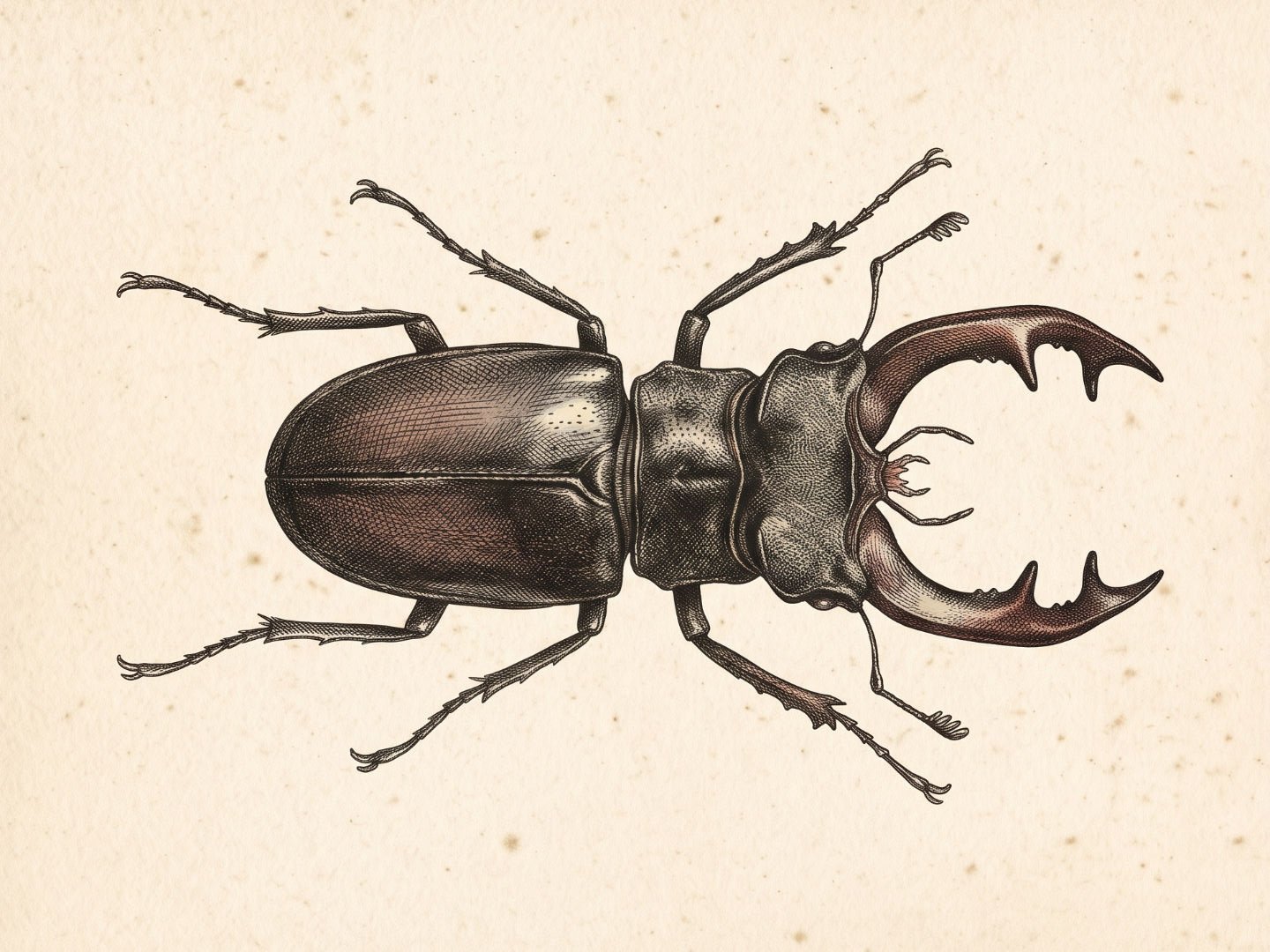
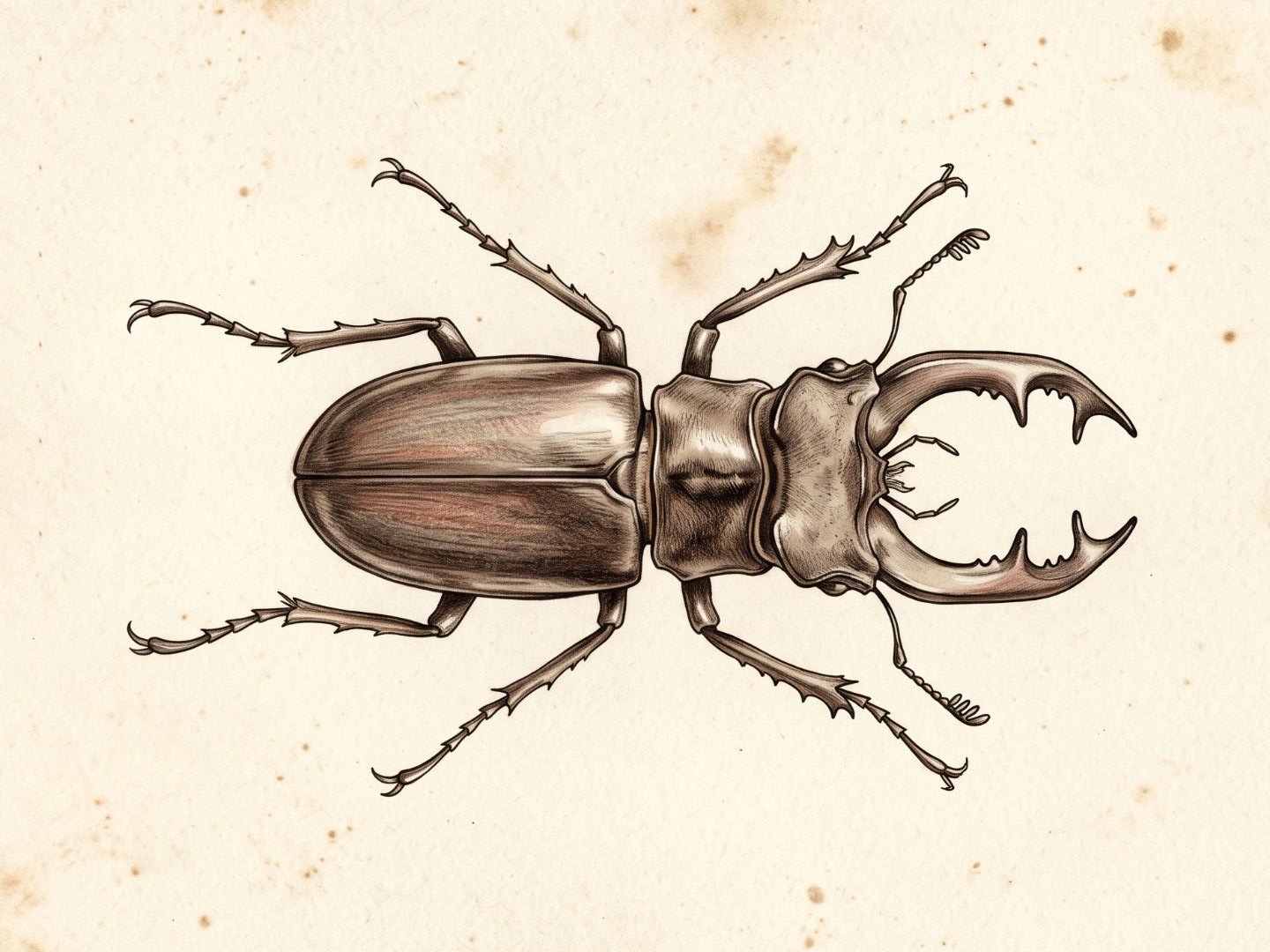
Bark Borer Beetle
Lucanus cervus
Commonly known as a Stag Beetle, the adults of this woodworm comes in many varieties, but the most common are either dark brown or light brown colour.
The larvae are known most for targeting softwood and causing major damage if left. It is also common for the Bark Borer to fly locally to discover more timber sources.
They create rounded tunnels, often kept near to the surface, although this can still cause an extreme amount of damage.
It leaves a round shaped trail of frass.
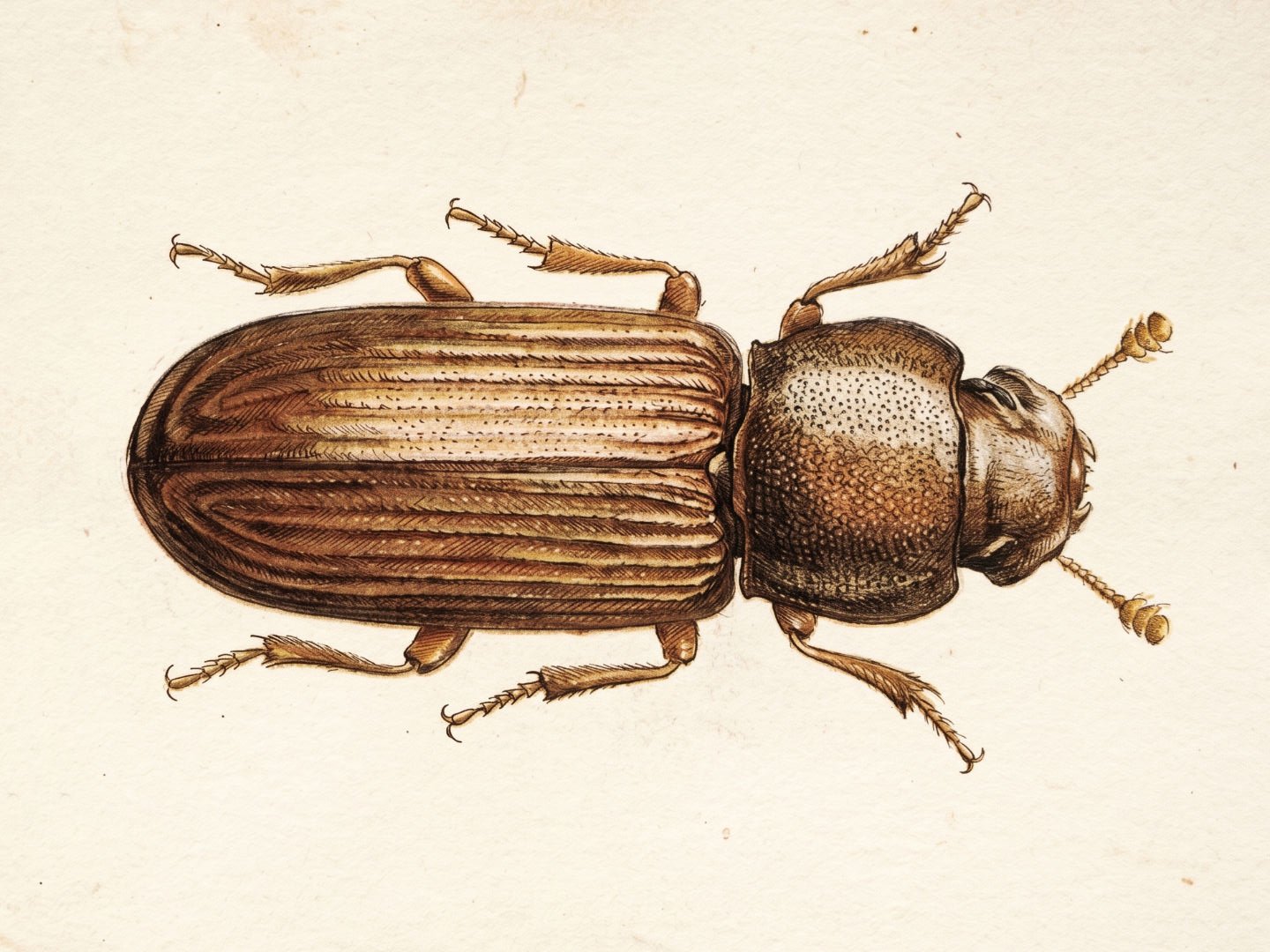
Common Furniture Beetle
Anisandrus dispar
This beetle is also known as the European Shot-hole Borer and is capable of causing structural damage to your property. It looks similar to a classic beetle, but with a lighter green/brown colour.
They are found in the sapwood of both wet and dry timber, emerging and fly to find new sources of wood.
It's known for its extensive 2mm diameter boreholes, and for creating round tunnels that often go with the grain.
When looking out for this particular beetle the droppings or frass are oblong, sandy pellets.
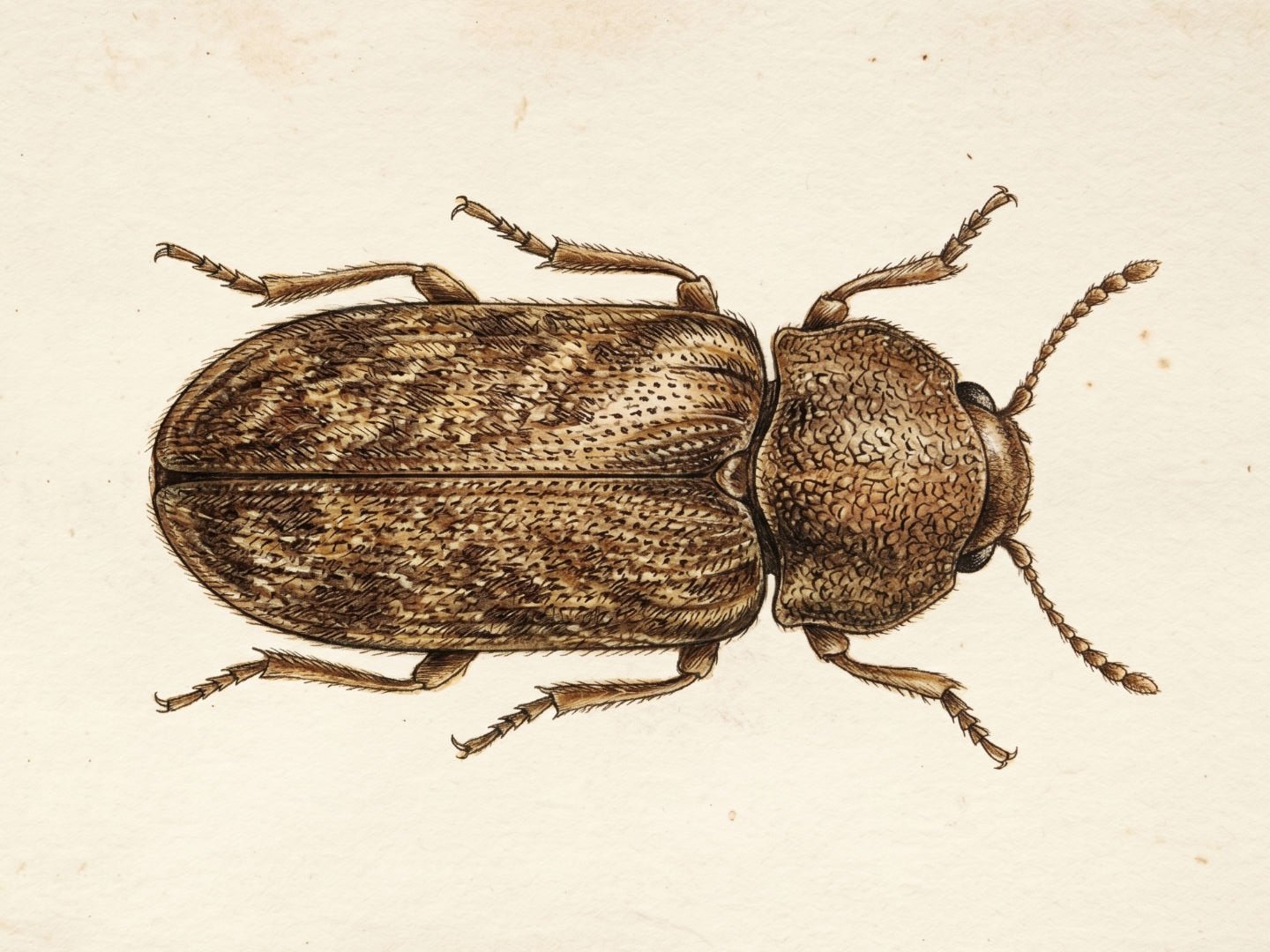
Death Watch Beetle
Xestobium rufovillosum
This furry bee-like beetle is has a mixture of both dark and light colouring, and can cause extensive damage to timber.
They are extensive tunnel builders, making 2mm boreholes filled with their own frass. They will fight their way to find other rotting wood if they need to.
They are often found near white rot and have a love for hardwoods like Oak and Elm.
They also make a distinctive tapping sound to attract fellow beetles, audible on quiet summer nights.
House Longhorn Beetle
Hylotrupes bajulus
This is a sizeable beetle, with large antennae and a dark brown appearance.
Sometimes referred to as the 'Old House Borer', it can become a major problem for aging wood/timber inside your property.
They are known for attacking softwood and leaving large damaging tunnels, filled with sausage-like frass.
They tend to fly from house-to-house, laying eggs and feasting on timber, before moving on to the next unsuspecting property.
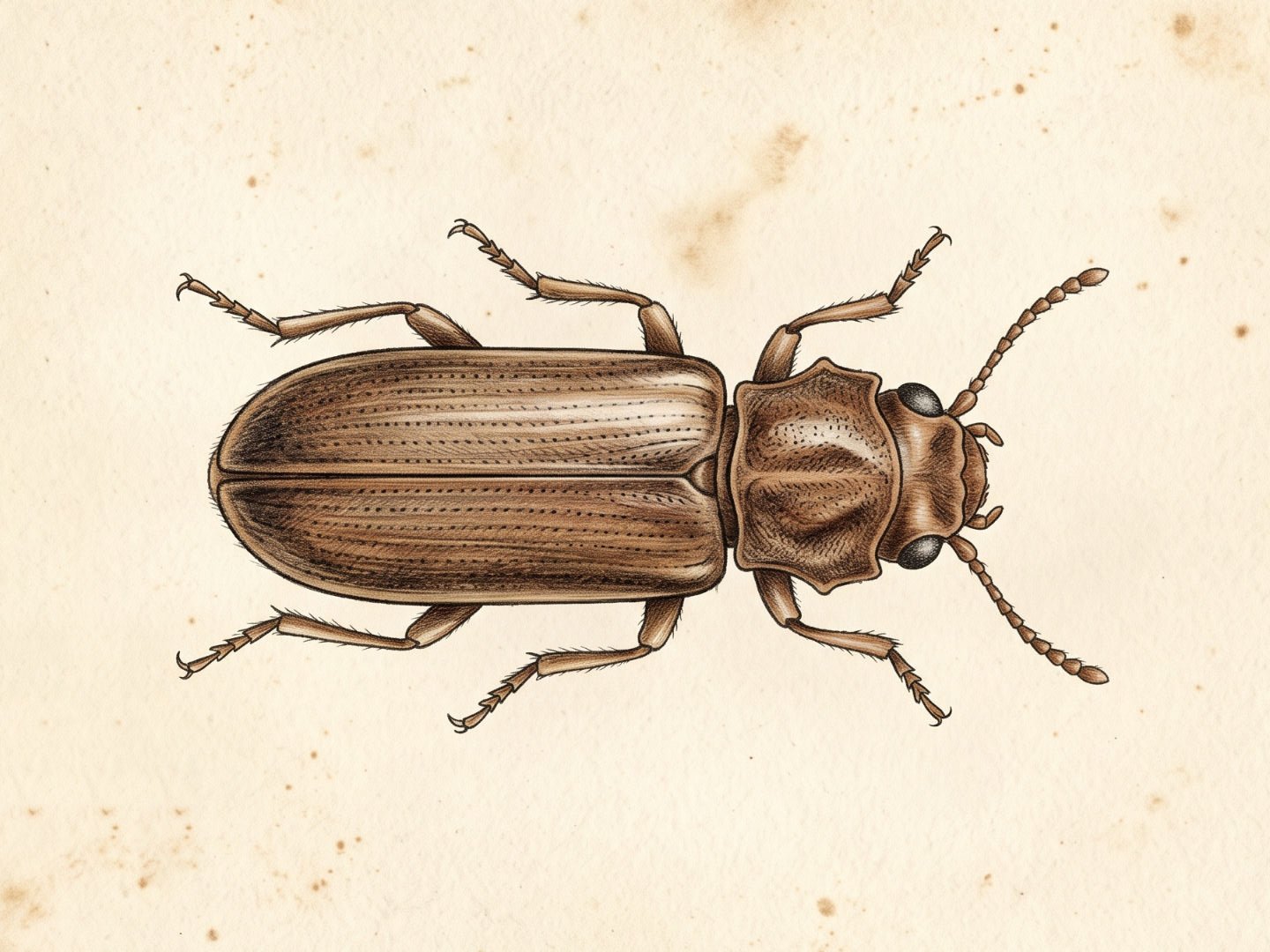
Powder Post Beetle
Lyctus brunneus
With a slightly hairy body and reddish-brown colour, this smaller beetle can still bore extensively deep in to young hardwood.
It is known for following the woodgrain, although this particular beetle creates a maze of conjoining tunnels under the surface, resulting in a high level of damage throughout any timber affected.
These beetles are very easy to recognise, as they leave a flour-like frass at the surface of their flight holes (hence the name Powder Post).
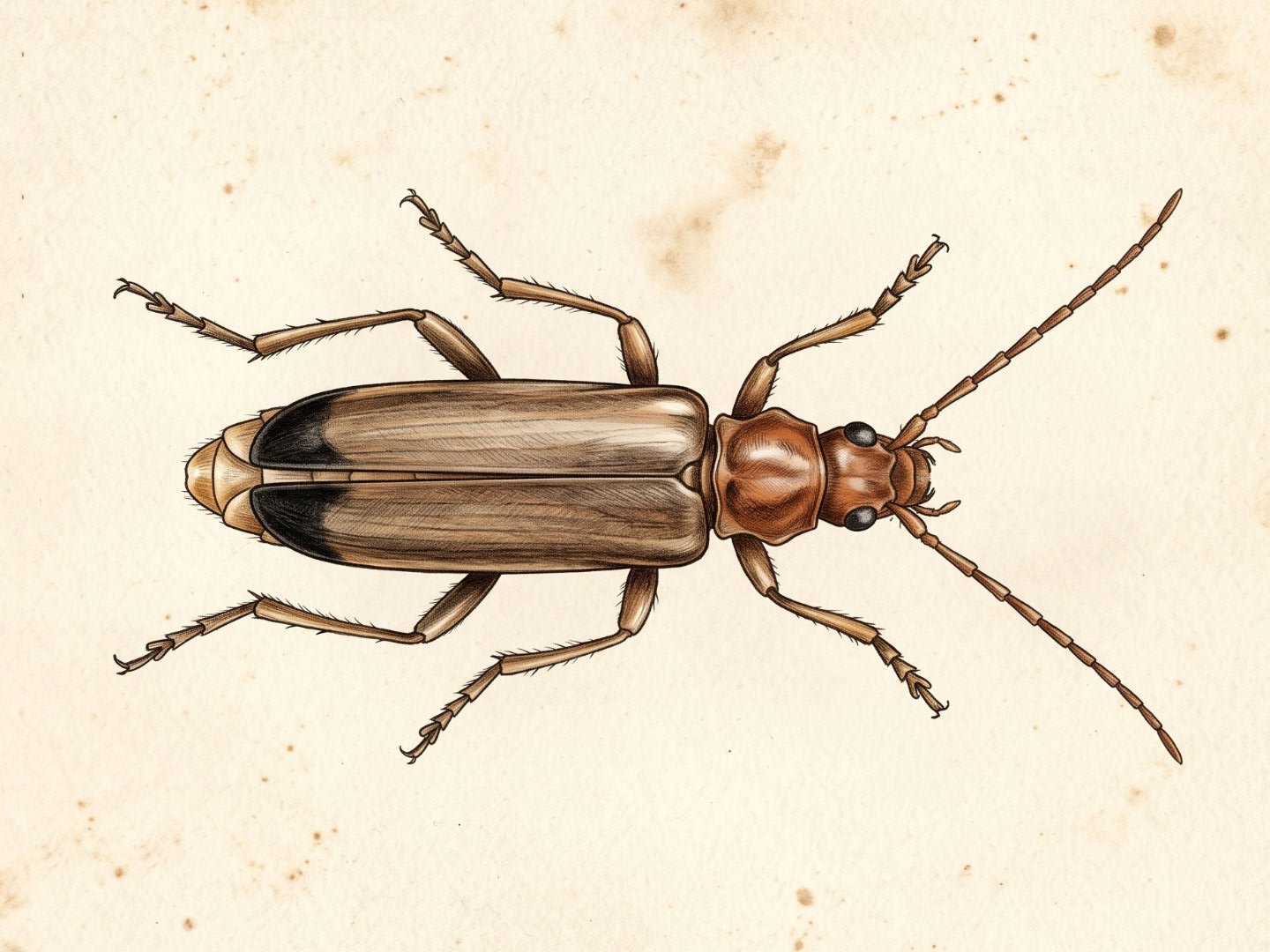
Wharf Borer Beetle
Nacerdes melanura
This large insect has a reputation of attacking wharf buildings, causing damage to the structural timber and pilings in coastal properties.
With an orange-brown body and long antennae, their ideal choice would be rotten soft and hardwoods. However, it will only fly short distances for new host timber.
As the name suggests they have a habit of boring deeply and leaving oval shaped tunnels. This leaves a soil-like frass behind.
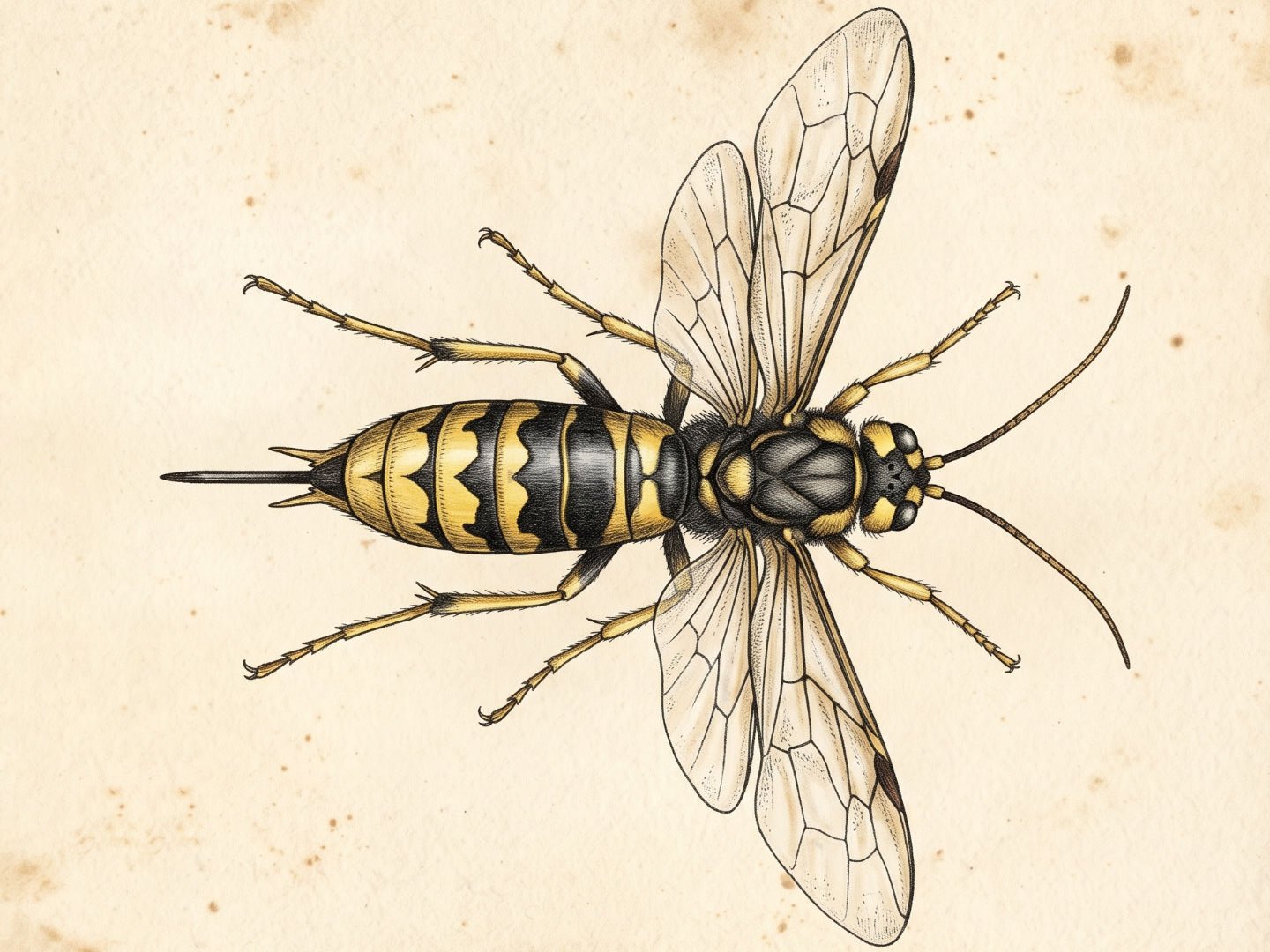
Giant Wood Wasp
Urocerus gigas
Also known as the Giant Horntail, this isn’t a beetle, however they can still cause extensive damage if present in timber used for homes.
It has the ability to fly long distances, exclusively attacking softwoods and rotting trees.
They tend to create large single-track tunnels and are known to sometimes kill host trees.
The Wood Wasp packs its tunnels with dense frass fibres, making them hard to remove once found.
What is the Woodworm Treating Process?
We work in 2 stages - the survey & the treatment:
The Woodworm Survey
Our woodworm surveys are conducted by experienced surveyors, to ensure you are fully aware of all woodworm and any associated problems.
We will visit your property at an agreed time, then inspect as much timber as possible to give the most accurate report.
Issues such as wood rot or damp will be noted, along with any insect infestations. We will also notify you of any additional access required for the treatments, such as taking up floorboards.
Treating The Woodworm
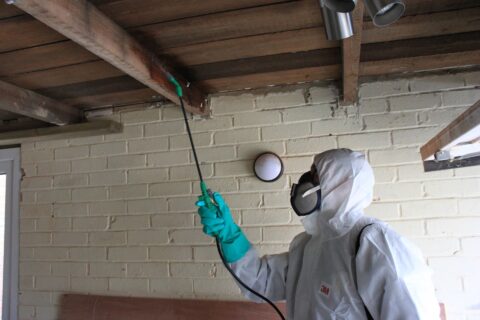
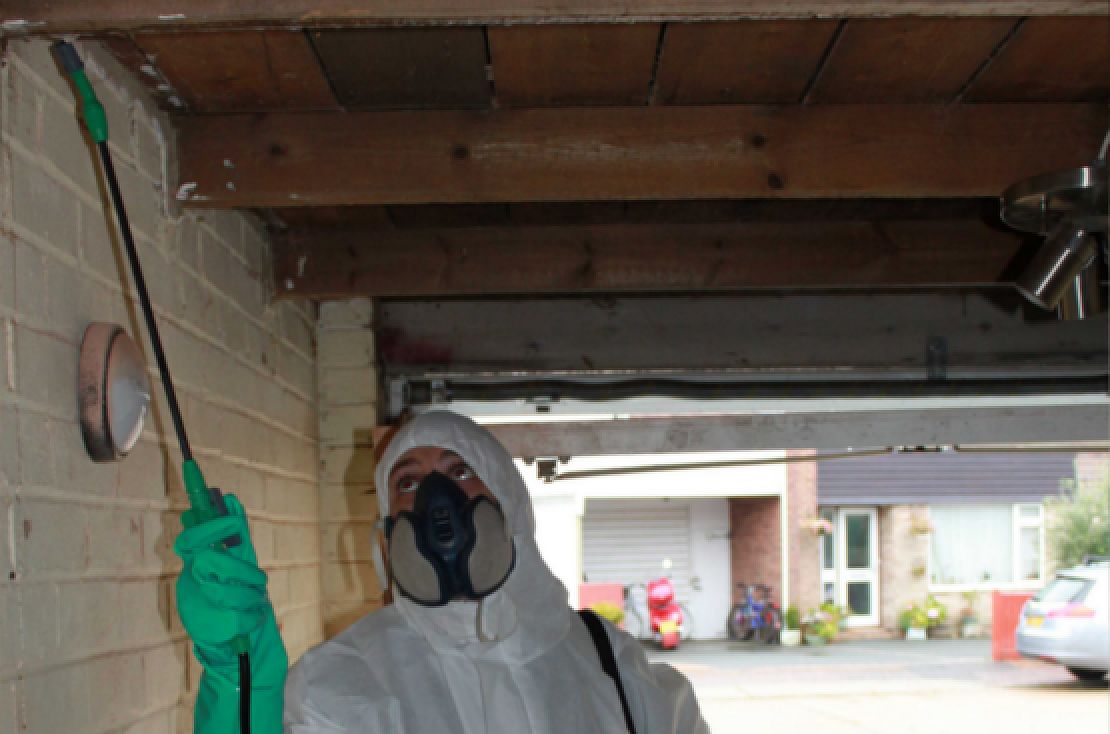
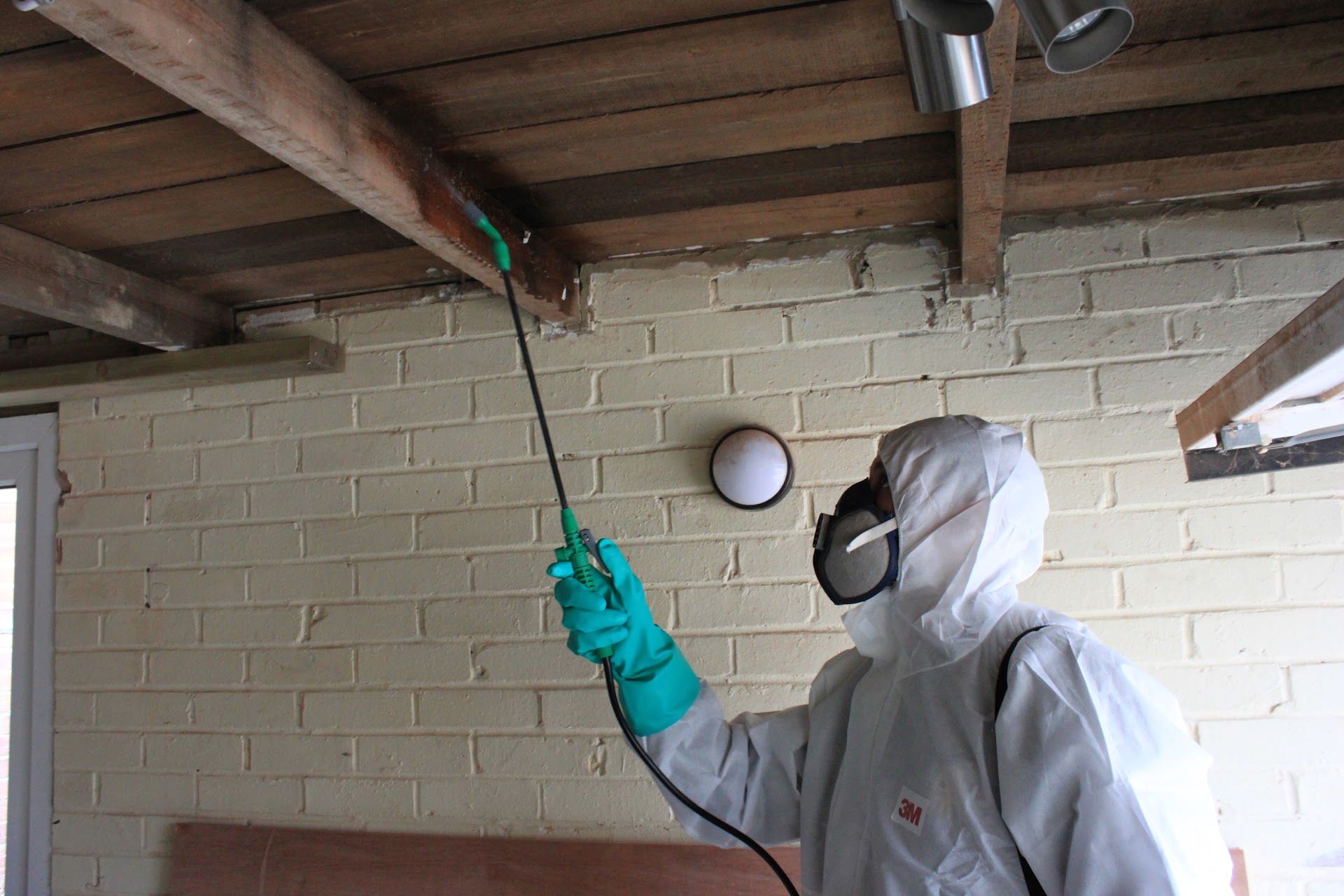
To treat wood and timbers, our technicians will dress in protective clothing (PPE), before preparing the infected area.
We selectively spray an eco-friendly chemical directly onto the infected wood and all at-risk timber. The solution is absorbed into the wood over a period of about an hour.
All woodworm and eggs near the surface are killed, with any insects deep inside the wood dying off as they later eat the treated timber.
Customer Reviews
Read some testimonials from our happy customers
Woodworm FAQ
Here are some of the questions our customers regularly ask:
Historically woodworm was treated with substances now known to be hazardous to humans and animals, however modern treatments are totally eco-friendly.
It’s advisable for rooms to be clear during spray treatment to avoid airway or skin irritation from the borax, but once the product has dried on the timbers (usually about an hour) it is perfectly safe for children and animals to be allowed in the vicinity again.
Although it is possible to get DIY woodworm sprays, its highly advisable to get a specialist to survey and treat your property.
Without the necessary experience and equipment to locate affected timber, you risk leaving pests behind needing a larger treatment later on.
The most common treatment for affected timber is an environmentally friendly borax-based spray applied to the wood surface. This dries within about an hour.
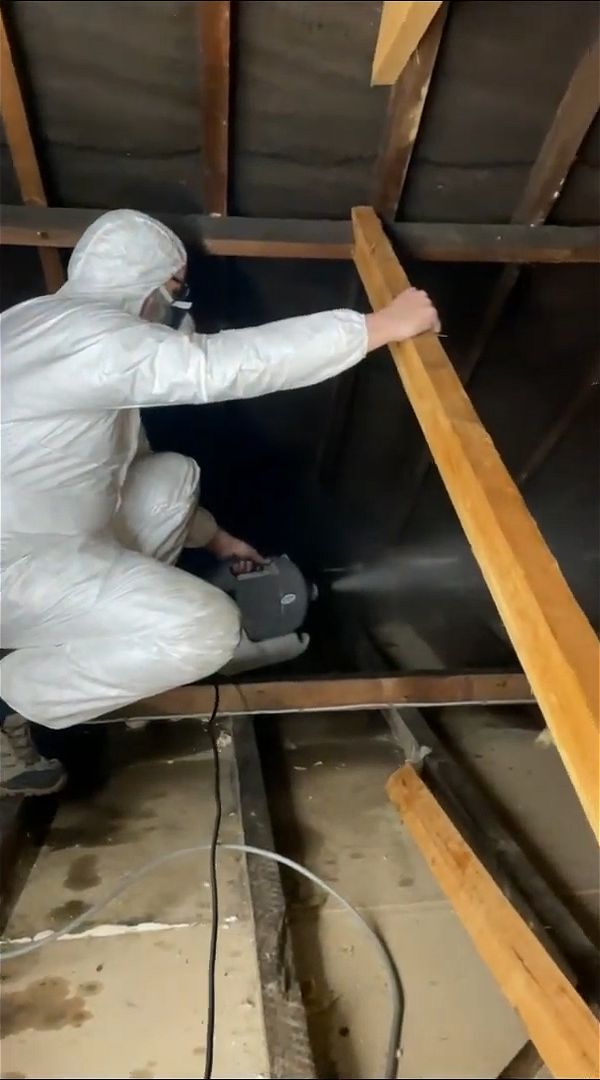
For difficult-to-access locations a misting unit can be used to fill a large area in one go. This is ideal for empty lofts.
For important structural timber, a higher powered emulsion can be applied as a paste, for deeper surface penetration.
If any wood is badly compromised or heavily crumbling, affected timber may need cutting out and replacing with fresh wood.
There are a few clear signs of a woodworm infestation in your timbers:
- Numerous exit holes in the wood, around 1-2mm in diameter. This is the symptom most associated with woodworm presence
- The presence of ‘frass’ below the holes, which is the name for the dust-like faeces left behind by many woodworm species
- Dead beetles nearby to poor condition or crumbling timber, particularly with older wooden frames
None of these symptoms guarantee a woodworm issue, so it’s best to get a professional survey carried out if you have concerns.
Why Choose Ahead Loft Ladders
To treat your woodworm?
Ahead Loft Ladders has been working in lofts and properties for over 14 years.
We don't bring in contractors, all work is carried out by David and our in-house team.
Here's why we're the best choice in The South for any type of loft or timber treatment:
- Highly recommended by local homeowners and landlords.
- Over 6000 loft ladders fitted in and around The South since 2012.
- Parts sourced from trusted manufacturers like BPS and Fakro.
- All work carried out is covered by a full written warranty.
- Like-for-like price matching service (excl. offers and discounts).
- 500+ positive reviews from Google, Checkatrade and Trustist.
Ask Us A Question
"*" indicates required fields
Trusted & Accredited Around The South
Your woodworm eradication is in good hands